
Six Ways to Navigate Grid Constraints: guidance for embedded generation projects
This report, developed under Innovate UK’s Net Zero Living Programme in partnership with the Carbon Trust offers practical guidance to aid the successful development of small-scale renewable electricity generation projects.
Insights for local authorities
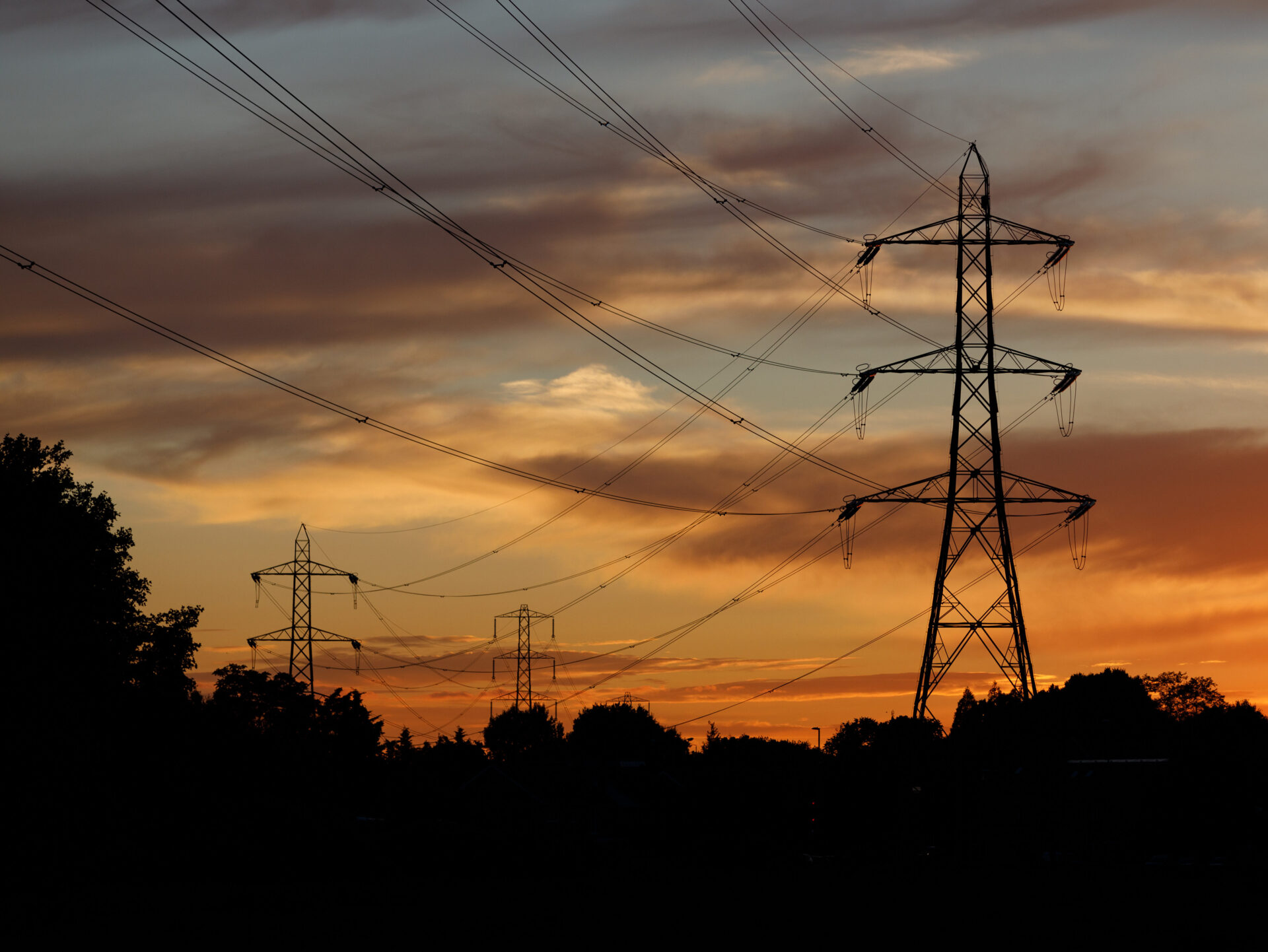
Clean energy sources can provide local places with more secure and more affordable power and the Net Zero Living Programme has supported dozens of local authorities who are embarking on this transition. However, challenges still exist in connecting renewable electricity networks due to the available capacity on the grid.
This report is designed to help local authorities that are new to clean energy generation overcome these grid constraints. It focuses on practical ways to progress schemes even in constrained areas of the distribution network.
The report starts by demystifying what grid constraints actually are. It then shows how projects can move faster when teams test connection status early and keep iterating with their Distribution Network Operator (DNO). It signposts the tools that can help such as capacity maps, embedded capacity registers, long-term development statements, flexibility maps, and “connections surgeries” which enable early discussion with DNO engineers before committing to a full application.
At the heart of the report is a set of six routes that can be mixed and matched depending on the local network, the technology, and the business model. These routes may include exploring alternative connection points, reducing capacity or phasing the delivery of energy, maximising direct consumption and limiting export, or integrating battery storage.
The overarching advice to local authorities is to rethink the problem, so it is less about exporting everything generated and more about designing the energy project around the grid we have. This will help local projects have a better chance of being selected to connect to the network and avoid the longest queues, against the new “first ready and needed, first connected” criteria from National Energy System Operator (NESO).
Ultimately if councils identify constraints early, design around them, and build strong working relationships with DNOs, then local places can more quickly benefit from the security, affordability, and wealth generation that comes with clean energy networks.
Key findings
- Early network checks can change project viability. Using DNO data, such as capacity maps, and “connections surgeries” can surface constraints before design is fixed.
- Schemes are more deliverable when export is treated as optional. Projects that prioritise local or private use and apply export limitation can often more easily progress in constrained areas.
- Flexible connections can speed delivery, but they change the business case. Options like phased capacity or battery storage can reduce waiting times to connect to the network, but may mean occasional curtailment and more uncertainty in projected revenues.
Related programme

Net Zero Living
A new wave of place-based innovation is transforming UK towns, cities and communities. Innovate UK has been helping local authorities and businesses work together to deliver new solutions that improve local services and open markets for economic growth.
Related Perspectives