

Realising heat networks: Local authority roles in delivering district heating
The insight, developed under Innovate UK’s Net Zero Living Programme in partnership with Regen and the Carbon Trust features three real-world case studies from Bradford, Bristol and Leeds, highlighting the different ways local authorities are delivering heat networks.
Insights from UK case studies
Heating our homes and buildings accounts for around one third of UK carbon emissions. Heat networks, systems of insulated pipes that carry heat from a central energy source to homes, businesses, and public buildings, are one of the most effective tools for cutting those emissions at scale.
The UK government’s Warm Homes Plan sets an ambitious target: double the share of heat demand met by heat networks to 7% by 2035, with district heating supporting 20% of all heat by 2050. For local authorities, this is both an opportunity and a practical challenge.
This report, delivered for the Net Zero Living Programme by Regen and the Carbon Trust, draws on three real-world case studies from Bradford, Bristol, and Leeds to show how local authorities are making heat networks happen. Each city has taken a different approach, and each offers lessons that other councils can learn from.
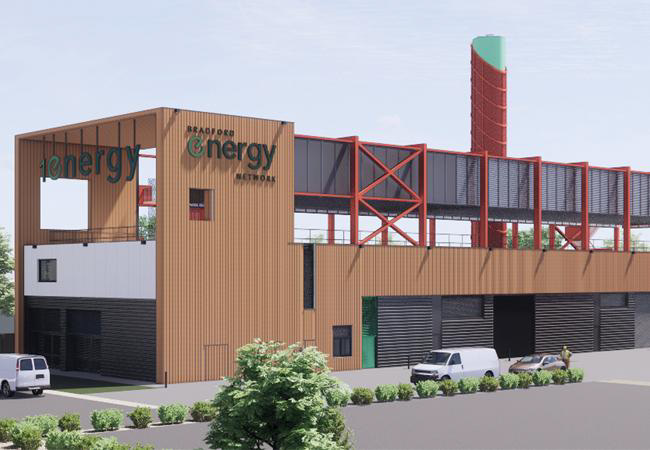
Bradford Energy Network is privately owned and operated, with Bradford City Council playing a customer and enabling role. Bristol’s model is built on a long-term public-private partnership, with Vattenfall operating the network under contractual commitments to decarbonise. Leeds PIPES started as a fully council-owned scheme and is now evolving into a joint venture as the network expands.
Together, the three case studies show that there is no single right model for heat network delivery. What matters is choosing an approach that fits the authority’s capacity, ambition, and local context. Across all three, some themes came through clearly: stakeholder engagement must start early and be sustained; specialist knowledge is essential and takes time to build; buildings often need internal upgrades before they can connect; and public funding has been critical at every stage.
New policy developments, including Heat Network Zoning and Ofgem regulation, are reshaping the landscape. Local authorities that are already engaged are better placed to act when opportunities arise.
Key findings
- Local authorities that invest early in building internal knowledge of heat networks, and in sharing that knowledge with other councils, are better positioned to engage confidently with private sector partners and funding applications.
- Councils that embed heat network requirements into planning policy and procurement processes create stronger conditions for project delivery and long-term customer growth.
- Heat network projects that plan for future decarbonisation and expansion from the outset are more likely to attract private investment and remain viable as the energy system continues to change.
Related programme

Net Zero Living
A new wave of place-based innovation is transforming UK towns, cities and communities. Innovate UK has been helping local authorities and businesses work together to deliver new solutions that improve local services and open markets for economic growth.
Related perspectives