

Future skills for digital ports and remote crane operations
Preparing the workforce for secure, resilient and digitally enabled port operationsPreparing the workforce for secure, resilient and digitally enabled port operations.
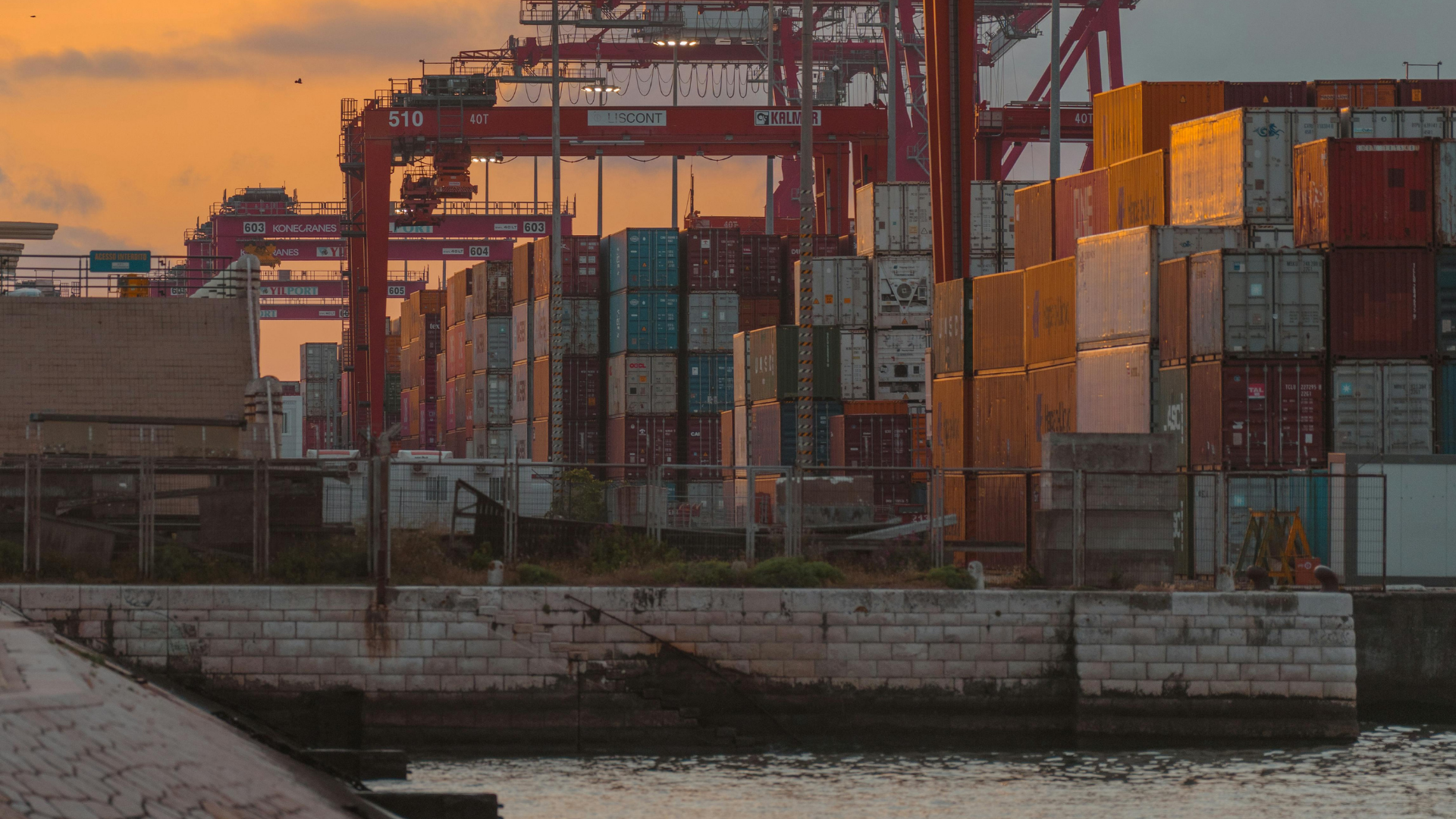
UK ports are rapidly adopting digital technologies like remote-controlled crane operations and Digital Twins, fundamentally changing how maritime infrastructure is managed. The core challenge, and opportunity, lies not just in efficiency, but in equipping the workforce to deliver secure, resilient, and digitally-enabled port operations essential to the national supply chain.
This report presents the findings from a Workforce Foresighting cycle focused on Enhancing Cyber-Physical Resilience for Remote Crane Operations in Ports. Delivered in collaboration with Connected Places Catapult, bringing together industry, academia and technology experts to explore how workforce capabilities must evolve to support digital port operations.
Why workforce foresighting matters
Workforce foresighting helps industry, educators and policymakers anticipate how emerging technologies will reshape workforce demand. By identifying future capability requirements early, it enables training and education systems to adapt in time, shifting skills development from a reactive to a proactive position.
In this study, foresighting has been applied to one of the maritime sector’s key challenges: digitising port operations while maintaining resilience against cyber and operational risks.
Context
UK ports are central to national prosperity, handling the majority of trade and supporting significant economic activity. As digital technologies are introduced into port operations, they create both opportunity and risk.
Remote-controlled crane systems can improve efficiency and safety. However, they also introduce new vulnerabilities by exposing operational technology to cyber threats and may require a shift away from traditional, hands-on roles towards digitally enabled, cybersecurity-aware operations.
The study identified Digital Twin technology as a key enabler. Digital Twins create virtual representations of physical systems, allowing real-time monitoring, predictive maintenance and simulation of both operational and cyber threat scenarios. This dual capability positions them as a cornerstone technology for secure, future port operations.
Together, these technologies mark a shift to integrated cyber-physical systems, requiring broad new capabilities in engineering, data, integration, and cybersecurity.
Implications for the workforce
The findings point to a structural shift in how work in ports is defined, organised and delivered in increasingly digital, cyber-physical environments.
From manual operations to integrated cyber physical systems
Port roles have traditionally been centred on physical operations and equipment handling. The transition to remote crane operations and Digital Twin environments is shifting the workforce towards digitally enabled, system-integrated roles.
Workers now bridge physical and digital boundaries—combining operational know-how, data literacy, systems awareness, and cybersecurity. The future workforce needs versatility within interconnected systems, not single-discipline expertise.
A rebalancing of capability demand towards design and enterprise functions
As technologies mature, capability demand is moving away from implementation and execution towards design, integration and enterprise-level capability, including:
- System architecture and integration.
- Data governance and digital backbone capabilities.
- Strategic planning and regulatory compliance.
- Cyber-physical risk management.
Organisations will need fewer execution roles and more in designing, integrating, and governing complex systems.
The emergence of new hybrid roles and career pathways
The study identifies emerging roles that combine engineering, digital, and security domains. Examples include cyber-physical resilience engineers, Digital Twin coordinators and simulation specialists.
These roles signal a wider shift towards hybrid professions, where engineering, software, data, and resilience capabilities increasingly overlap:
- Engineering is combined with data and software capability
- Operations are integrated with cybersecurity and resilience thinking
- Training evolves to include simulation-based and virtual environments
This creates opportunities for workforce mobility but also requires a rethink of how careers are structured, developed, and progressed.
A systemic mismatch between skills demand and supply
A critical insight is not just the presence of skills gaps, but the scale and systemic nature of the mismatch between future requirements and current provision. Most of the roles identified showed low alignment with existing qualifications and apprenticeship pathways.
This structural lag in the skills system is particularly in:
- Advanced cyber-physical and systems engineering capability
- Emerging technologies such as Digital Twin and simulation
- Entry-level pathways into digitally enabled operations
Without intervention, employers may be unable to adopt new technologies effectively, regardless of their readiness to invest.
Weak entry pathways and senior capability gaps
The workforce challenge spans both ends of the talent pipeline:
- At the entry level, there are limited, clear pathways into digital port operations, restricting the flow of new talent into the sector
- At the senior level, there is a lack of established routes to develop advanced expertise in system architecture, cybersecurity and resilience
This may create a dual risk — constrained pipeline growth and insufficient leadership capability for future system design and management.
Skills as the critical enabler of technology adoption
Perhaps the most important insight is that workforce capability is now a primary constraint on technology deployment.
The transition to remote and digitally enabled port operations is not limited by technology readiness, but by whether organisations have the skills to:
- Operate and secure cyber-physical systems
- Integrate new technologies with legacy infrastructure
- Manage risk across complex, interconnected environments
Without coordinated action, this becomes a bottleneck — slowing adoption, increasing vulnerability and limiting the productivity gains these technologies are designed to deliver.
This is more than a skills gap—it is a workforce transformation imperative. The sector must urgently redesign roles, pathways, and provision to enable a digitally enabled, system-led operating model, which is central to successful digital port operations.
Organisations that align workforce development with technology will secure safer, more resilient, and competitive port operations. Without this, capability shortfalls—not infrastructure or investment—will be the limiting factor. The main message: developing future-focused workforce capabilities is critical for digital ports to thrive.
Next steps
The findings underline the need for coordinated, cross-sector action to translate insight into delivery. Key recommended actions include:
- Establishing industry working groups to validate findings and align stakeholders
- Updating apprenticeship standards and qualifications to reflect emerging capabilities
- Developing targeted CPD and upskilling programmes to support the existing workforce
- Strengthening collaboration between industry, education and technology providers
- Identifying a national skills champion to drive progress and maintain momentum
Future work aims to expand on these insights and apply findings to broader foresighting analysis, exploring digital tools to scale workforce intelligence and planning.
Related programme

Workforce Foresighting
How do we build a skilled workforce for tomorrow’s industries? The Workforce Foresighting Hub has developed a structured process, aligned with national policy, to help deliver a workforce to exploit innovative technologies in the UK. We’re supporting industry, policymakers and educators to adapt to continuing change.