

From ambition to evidence - ZEHID annual report
In 2022, before a single truck had been ordered and before any charging infrastructure had broken ground, discussions focused on ambition and possibility. Which operators would join the consortia? Which manufacturers could supply suitable vehicles? How many trucks might realistically be deployed? Where would charging infrastructure be located? Would sites be private depots, shared facilities, or publicly accessible charging hubs?
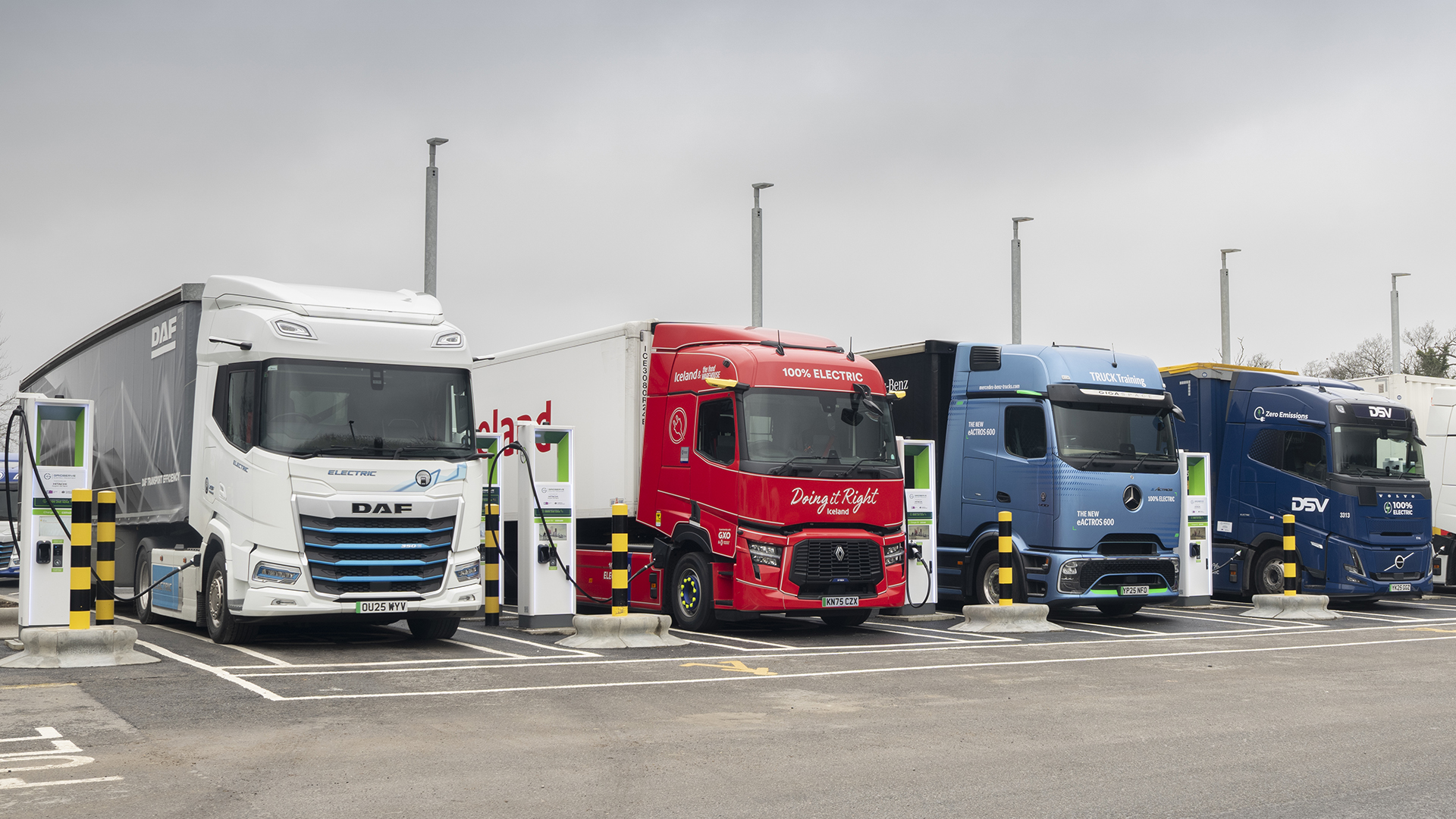
At that point, many of the answers were uncertain. Vehicle availability was limited, infrastructure planning was largely theoretical, and the market for zero-emission HGVs was in its infancy. The scale of change required across the freight ecosystem was clear, but so too were the risks. Success depended on aligning vehicle manufacturers, logistics operators, infrastructure providers, landlords, network operators and policymakers around a shared vision.
Four years on, one of the most notable aspects of the ZEHID 2026 annual report is not simply that hundreds of zero-emission trucks are now on UK roads. It is that we can now compare those original assumptions with real operational evidence.
The live infrastructure map and the programme’s operational data now show where deployments have taken place, where infrastructure has been built, and how freight operators are using the vehicles in practice.
Early insights
Perhaps the clearest insight is that deployment alone does not ensure utilisation. Early ZEHID data shows electric HGVs averaging around 1,350 kilometres per week, compared with approximately 2,600 kilometres for a sample of diesel vehicles, although some operators are beginning to reach 4,000 kilometres. This difference is understandable. Operators are still building confidence in vehicle performance and planning routes around available charging infrastructure and commercial contracts. End customers play an important role in supporting wider rollout. The gap does not appear to be solely technological: electric HGVs are capable of greater mileage and utilisation.
What makes ZEHID particularly valuable is that it is moving the conversation beyond vehicle numbers. The question is no longer how many trucks have been deployed. It is how effectively those trucks can be integrated into everyday freight operations, how utilisation changes as infrastructure expands, and how quickly operators can move from carefully managed demonstrations to routine commercial operation at scale.
Next steps
Many of the questions raised during the bid stage in 2022 centred on what might happen. Today, thanks to ZEHID, we are increasingly able to answer those questions. Over the next five years, that evidence could prove to be one of the programme’s most important legacies and we look forward to working with all the project partners going forward to make sure that outputs and learning are shared quickly to ensure a streamlined approach to the transition.
Related programme

Zero emission heavy goods vehicles and infrastructure
Supporting the development, uptake and demonstration of commercially available zero emission HGVs, and providing the crucial infrastructure to help the haulage sector decarbonise and transition to a zero-emission road freight sector in the UK.