

Future Skills for Offshore Wind and Hybrid Energy Systems Preparing the Workforce to Deliver Dispatchable Clean Energy
As the UK accelerates towards its clean energy ambitions, offshore wind (and other renewable energy sources) will form a greater part of the nation’s energy mix. However, meeting future energy demand is not just about generating more electricity from green, renewable sources – it is about ensuring that energy can be delivered when and where it is needed.
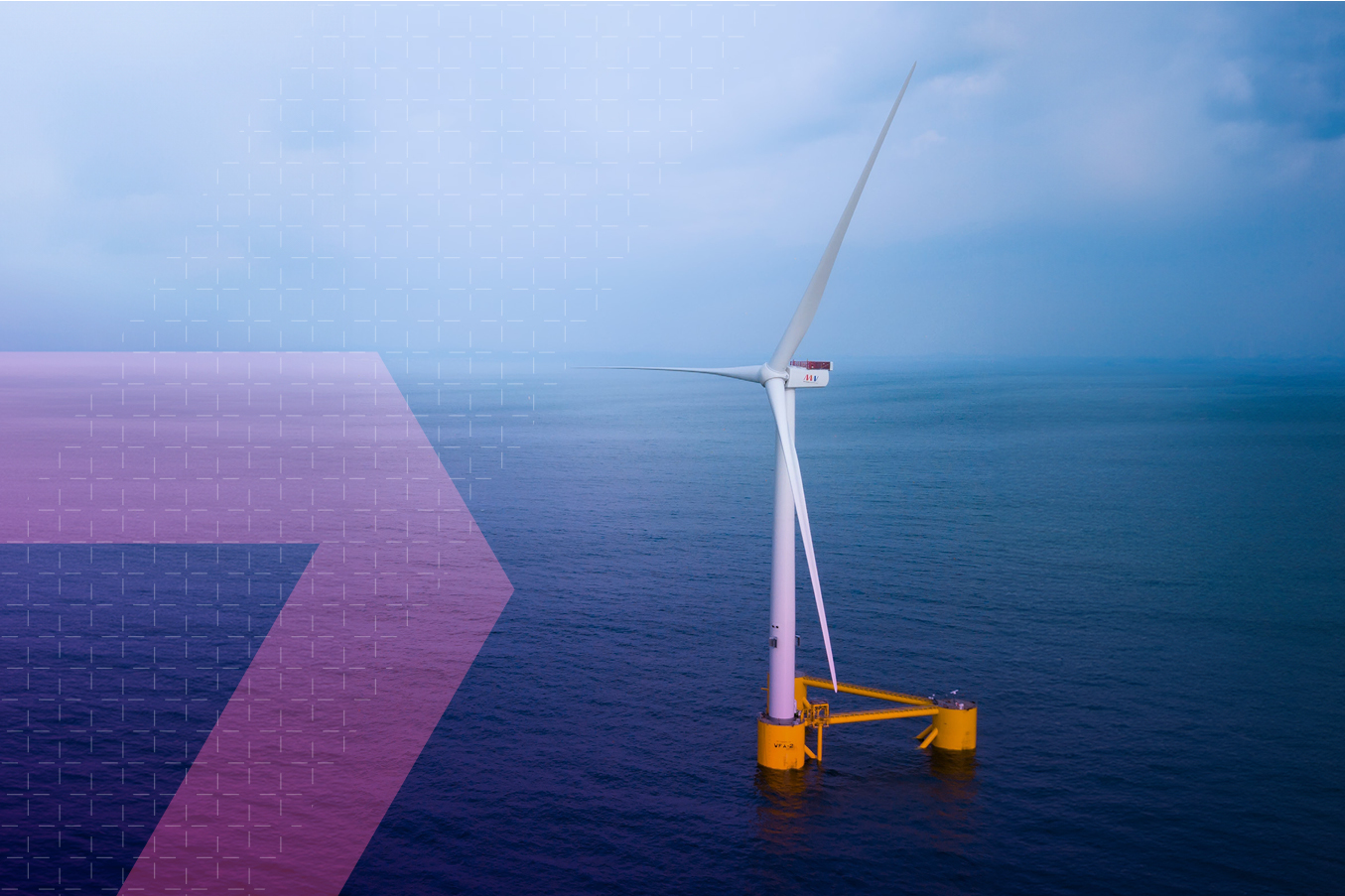
This report sets out the findings of a Workforce Foresighting cycle focused on Future Skills for Integrating Hybrid Energy Technologies with Offshore Wind to Enable Dispatchable Clean Energy. The study was led by Offshore Renewable Energy (ORE) Catapult, in collaboration with the Workforce Foresighting Hub, an Innovate UK initiative.
Why workforce foresighting matters
Workforce foresighting is a systemic approach that helps industry, educators and policymakers anticipate how emerging technologies will shape workforce demand in the future. By identifying future capability requirements early, it enables education and training systems to adapt in time – enabling skills development to move from a lagging to a leading footing and ensuring the UK has a workforce ready to meet and deploy new technologies as they emerge, supporting long‑term industrial growth.
In this study, foresighting has been applied to one of the most significant opportunities for renewable energy integrating hybrid energy technologies so that clean energy can be dispatched on-demand.
Strategic context
The UK’s Clean Power Action Plan 2030 set a target of 43–50GW of offshore wind capacity by 2030, almost tripling current installed capacity. Yet wind energy is inherently weather‑dependent, which can create a mismatch between energy supply and demand. This leads to energy shortfalls if there is low wind during high-demand periods, and costly curtailment charges when generation exceeds grid capacity – these charges reached £1.46 billion in 2025.
Rather than reducing renewable generation or using fossil fuels, emerging hybrid solutions offer new ways to balance the system. This study considered three technology approaches that are expected to scale significantly between 2030 and 2035:
- Battery Energy Storage Systems (BESS) for rapid response
- Electrolysis (hydrogen) and Power‑to‑X technologies for long‑duration storage and energy conversion
- Grid‑forming technologies to provide synthetic inertia and maintain grid stability
Together, these approaches represent a fundamental shift towards integrated, real‑time energy systems, requiring new cross‑disciplinary skills and capabilities across engineering, digital systems, markets and governance.
Implications for the workforce
The work highlighted that critical skills gaps are expected not just around the technologies themselves, but also in how these are modelled, integrated, and governed.
Through workshops and surveys with industry and research partners, the study identified 113 workforce capabilities relevant to hybrid offshore wind systems. These capabilities were grouped into seven Future Occupational Profiles (FOPs), covering areas including:
- Grid‑forming power electronics and advanced control systems
- Hybrid grid integration and system stability
- Hydrogen, Power‑to‑X and multi‑vector energy systems
- Digital systems modelling
- Markets, regulation and system governance
- Collaboration, innovation and advocacy
The FOPs are not job descriptions. Instead, they provide structured groupings of capabilities that can support skills analysis, job design and curriculum development. They now form the foundation for the next phase of workforce foresighting — moving from insight to action.
Next steps
ORE Catapult will build on this work by incorporating the data into wider analysis across multiple workforce foresighting studies. This work will include identification of foundational role archetypes that allow new capabilities to be layered onto existing roles and educational provision, supporting agile skills development without unnecessary new qualifications; and identification of cross-cutting themes. Subject to funding, digital enablement through the skillsminer.ai platform will help scale impact across workforce planning, skills matching and reskilling.
Further recommended actions include establishing governance and industry working groups, appointing a national industry champion, and strengthening cross sector collaboration to improve workforce mobility and resilience.
By aligning technology adoption with proactive workforce planning, the sector can remove a critical bottleneck in offshore wind development – and ensure people are ready to deliver the energy transition.
Related programme

Workforce Foresighting
How do we build a skilled workforce for tomorrow’s industries? The Workforce Foresighting Hub has developed a structured process, aligned with national policy, to help deliver a workforce to exploit innovative technologies in the UK. We’re supporting industry, policymakers and educators to adapt to continuing change.