

Innovate UK Business Connect's Sustainable Chemicals Innovation Network is focused on accelerating the de-fossilisation of the UK chemicals sector and supporting a transition to a more sustainable, high‑growth economy. The network is currently showcasing companies that are helping to drive this de-fossilisation in collaboration with Innovate UK. Among these is biotechnology spin‑out 17Cicada, which is developing new methods to convert waste into valuable products and has progressed its innovations through multiple Innovate UK grant‑supported initiatives.
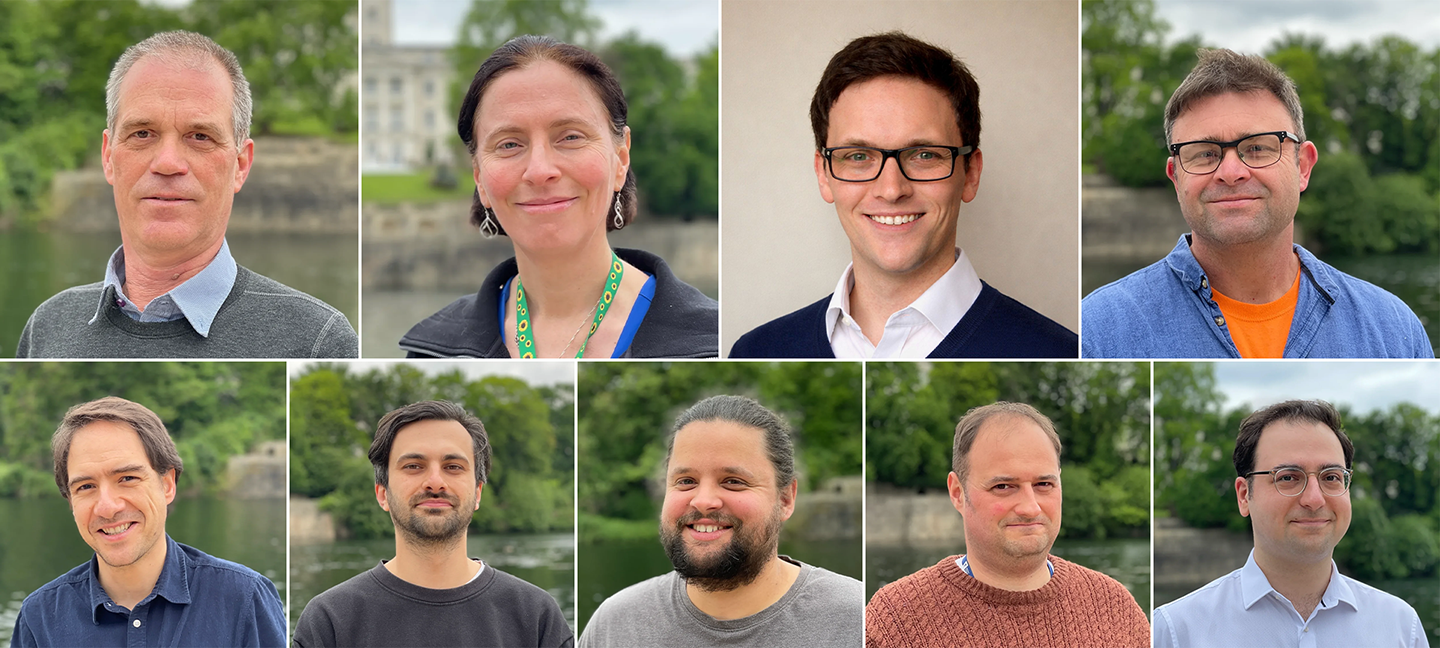
A spin-out from the University of Nottingham, 17Cicada is developing cutting-edge microbial technologies that convert waste into valuable, low‑carbon products. Using engineered, non‑pathogenic microorganisms, the company transforms mixed and contaminated waste – including material that often ends up in landfill – into high‑value chemicals and biopolymers for sectors including cosmetics, materials, healthcare and industrial manufacturing.
“Our technology platform is based on the valorisation of waste into value. At the front end of our process, we take different waste feedstocks – from agricultural residues to mixed plastics, textiles and CO2 – and convert them into microbial biomass,” explains Samantha Bryan, Co-Founder and Chief Technology Officer at 17Cicada. “That biomass can then be used to produce a variety of valuable chemicals. The goal is a flexible waste-to-value platform that can transform how industries think about waste.”
Developing new waste-to-value products
17Cicada has already secured three Innovate UK grants, each helping to develop and demonstrate different aspects of its platform.
One project funded by an Innovate UK Smart Grant explored the sustainable production of hyaluronic acid, widely used in cosmetics and medicine. Using wheat bran – a by-product of flour milling – as a feedstock, the team developed a microbial fermentation process that could produce hyaluronic acid using engineered bacteria. It’s proof of concept in action: the by-product of milling flour can become a premium ingredient in cosmetics and medicine.
“As a result of the project we connected with industry partners, including Whitworth Brothers, who supply waste materials, such as bran, from their milling processes,” says Samantha Bryan. “It shows that waste streams can be converted into high-value products.”
In 2025, a second project, supported under the Innovate UK Farming Futures R&D fund, explored how farm waste could be converted into algal biomass for animal feed. Trials using a mini reactor on a farm in Northumbria demonstrated the potential to grow microalgae directly from slurry waste. But just as importantly, they revealed where improvements were needed – helping the team refine the technology and identify new opportunities for scaling up production.
A third Innovate UK-funded project, supported through the Sustainable Medicines Manufacturing Innovation Programme (SMMIP) Collaborative R&D competition, focused on the production of paclitaxel (Taxol), an important anti-cancer treatment traditionally sourced from yew trees. “Paclitaxel has a very complicated biosynthetic pathway,” explains Samantha Bryan. “We tested multiple pathways and made a brilliant discovery – a novel fungal strain that was capable of producing Taxol.”
Together, the projects paint an exciting picture for the future – a versatile technology platform with the potential to address challenges across multiple sectors, from agriculture and cosmetics to cancer treatments. All while building the evidence needed to attract further investment.
Strengthening the business
Alongside grant funding, 17Cicada has benefited from wider Innovate UK support. The company took part in the Engineering Biology Investor Pitch Training Programme, which helped sharpen its investor pitch, strengthen its financial model, and refine its data.
“The training from Innovate UK significantly strengthened our pitch deck and made our financial model much more investor-friendly,” explains Peter Knight, CEO and Co-Founder of 17Cicada. “It’s helped us present the technology and the opportunity much more clearly to potential investors.”
17Cicada has also received ongoing guidance through the Innovate UK Business Connect network, providing advice, support, and valuable signposting to further funding and partnership opportunities.
Next steps: scaling towards commercialisation
17Cicada is now seeking investment to scale its technology from laboratory research to pre-commercial production. This next phase will focus on producing key platform chemicals and establishing partnerships with contract manufacturers.
17Cicada is proof that the future of sustainable chemicals, from research to real-world application, is already well underway.
Innovate UK support has helped us move our technology out of the lab and towards commercialisation. The funding allowed us to build a flexible platform that can produce a number of different products and show that waste can genuinely be turned into something valuable.
– Peter Knight, CEO and Co-Founder of 17Cicada
Find out more
Want to be part of the future of sustainable chemicals? Whether you’re looking to collaborate, invest, or find out more about the Sustainable Chemicals Innovation Network, visit via the link below to get involved.