

UK-South Africa collaboration on water and waste insights
In this perspective, Nicola Redelinghuys, Knowledge Transfer Manager for Global Alliance Africa and manager of the Innovate UK UK-South Africa Water Security and Waste Circularity Global Innovation Network shares the key opportunities within the water and waste industries for innovators in the UK and South Africa.
Understanding the challenges of South Africa’s water and waste systems
South Africa is at an important point in how it manages it’s water and waste systems. In both sectors, the challenges are well documented, including scarcity, aging infrastructure, uneven service delivery, limited municipal capacity, and growing climate and environmental pressure. These same pressures also create space for practical improvement, particularly where planning, partnerships, and investment are aligned.
This insight provides further background on system pressures, policy dynamics, and delivery considerations across South Africa’s water and waste sectors. It distils the main priorities and implications for collaboration, particularly from a UK perspective.
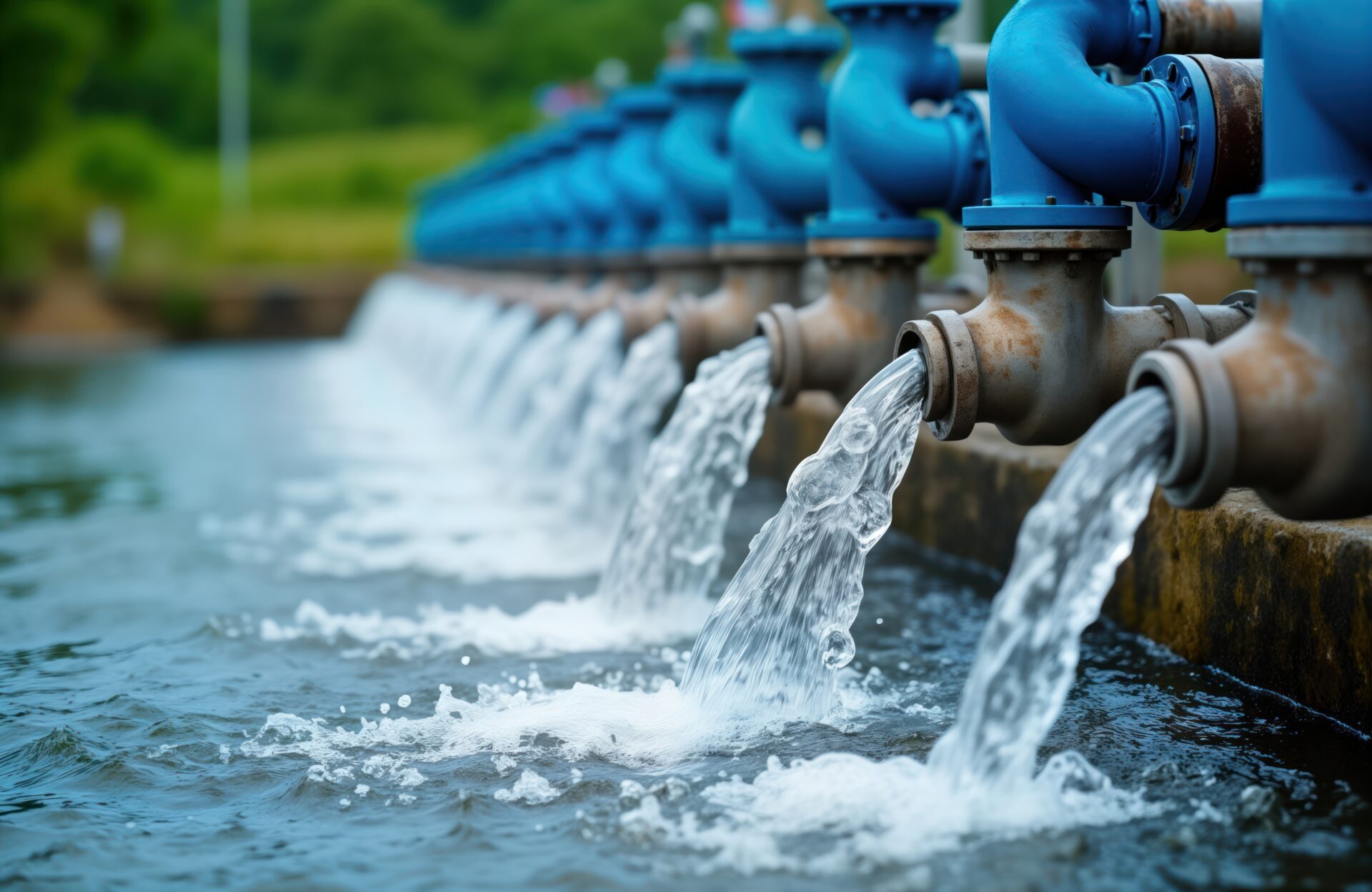
Priority areas for UK–South Africa collaboration
The discussion brought together here reflects two closely linked areas of focus. The first considers the water sector, moving from system pressures toward responses that are feasible and investable. The second looks at the waste sector’s gradual shift away from landfill dependence toward approaches centred on recovery and value creation. Together, these insights are intended to support shared understanding and practical collaboration between UK and South African stakeholders.
Water sector opportunities
Focus first on reducing losses and improving the performance of existing systems
Reducing non-revenue water, improving network maintenance, and strengthening operational performance are consistently identified as priority entry points. For UK organisations, this points to opportunities in leakage management, pressure control, monitoring systems, and performance-based operating models rather than large new supply infrastructure.
Support municipal capability alongside technical solutions
Technical interventions tend to perform best when paired with improvements in financial controls, asset management, and operational governance. UK partners are encouraged to consider blended approaches that combine engineering or digital solutions with institutional and capacity support.
Position water reuse as a practical, non-controversial supply option
Industrial and non-potable reuse are areas with clear demand and relatively low regulatory risk. UK companies with experience in advanced treatment, reuse system design, or operational management are well placed to engage in these segments.
Deploy digital tools with clearly defined operational use cases
Technology delivers the most value when linked to specific operational needs. For UK digital and data firms, this suggests a focus on solutions that directly support billing accuracy, leak detection, compliance monitoring, or day-to-day decision-making.
Integrate nature-based approaches into engineered solutions
Catchment restoration and ecosystem-based interventions are increasingly seen as complementary to traditional infrastructure. UK organisations with experience in environmental services, monitoring, or blended infrastructure models may find alignment here.
Target well-prepared, repeatable projects rather than one-off schemes
Smaller, replicable projects are often easier to implement and finance. UK partners are encouraged to look for scalable models that can be applied across multiple municipalities rather than single bespoke projects.
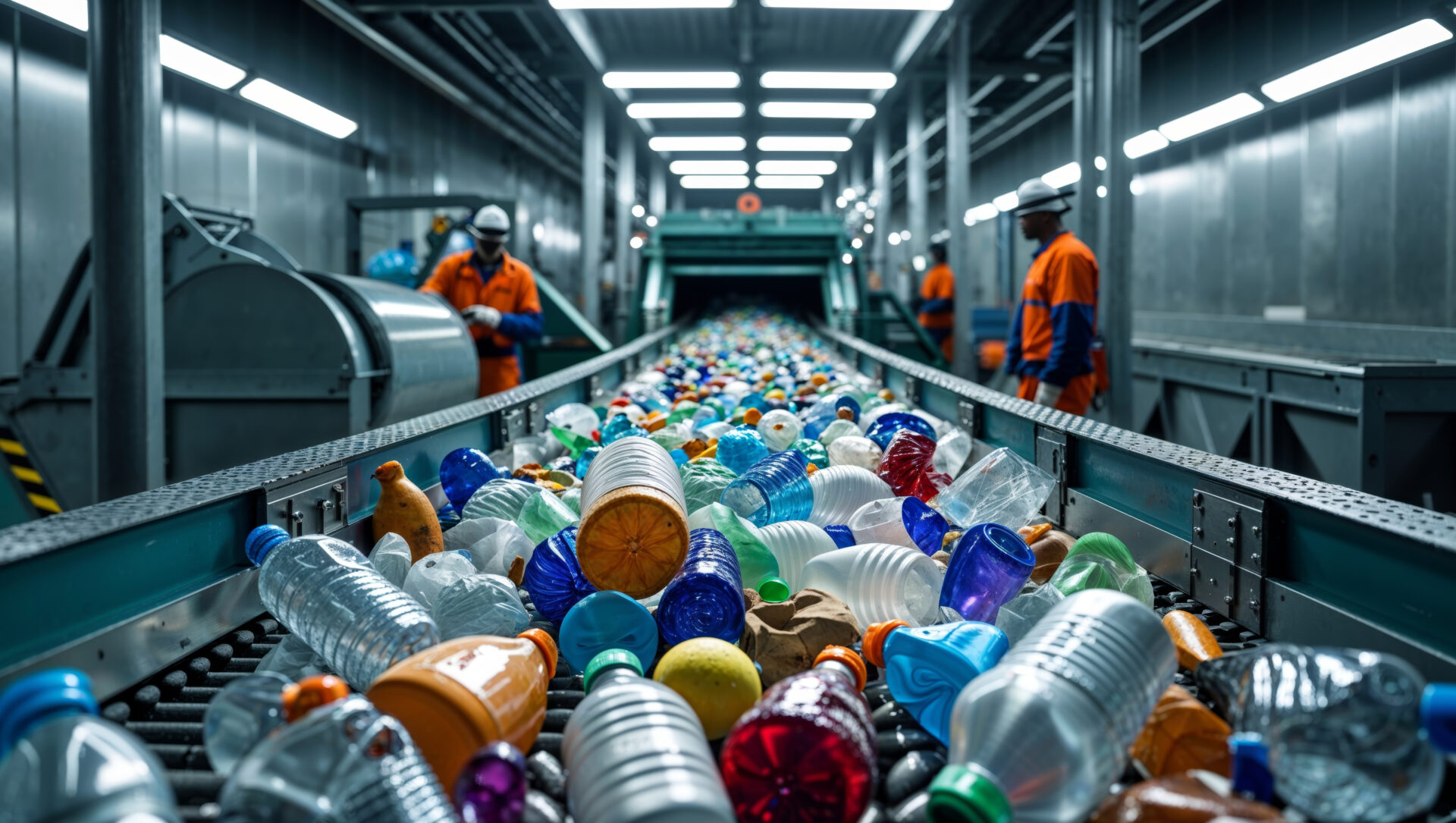
Waste sector opportunities
Engage in diversion and recovery, not landfill expansion
Future investment is expected to focus on diversion pathways rather than new disposal capacity. UK organisations with experience in organics processing, recycling systems, materials recovery facilities, and waste-to-energy may find stronger alignment than those focused on landfill infrastructure.
Work with, not around, the informal recycling economy
Informal reclaimers play a central role in material recovery. UK partners are encouraged to design solutions that accommodate informal collection, aggregation, and sorting, rather than attempting to replace these systems.
Plan for stable feedstock and long-term contracts
Feedstock risk remains a key barrier to investment. For UK technology providers and investors, this highlights the importance of regional aggregation, off-take agreements, and longer-term operating contracts when entering the South African market.
Align with extended producer responsibility frameworks
Extended producer responsibility is shaping investment decisions in plastics and packaging. UK organisations are advised to understand how these frameworks operate locally and to align technology choices, processing capacity, and business models accordingly.
Scale proven technologies before introducing complexity
Simpler, established recovery technologies are generally more appropriate entry points than highly complex systems. UK firms are encouraged to phase investment and scale in line with local data, skills, and operational maturity.
Shared guidance for UK engagement across both sectors
Across water and waste, experience points to more effective engagement when:
- Technical solutions are closely linked to operational and financial realities
- Projects are prepared and structured before technology is introduced
- Delivery models are repeatable and adaptable across locations
- Skills transfer and local partnerships are built into project design
- Data and performance metrics are agreed upfront
How can UK organisations engage through existing platforms?
These priorities align closely with the objectives of Innovate UK and its international collaboration programmes. Through Innovate UK supported platforms focused on water security and waste circularity, UK organisations can:
- Explore partnerships with South African municipalities, utilities, and private operators
- Participate in pilot projects that test solutions under real operating conditions
- Access structured pathways for market entry and scaling
- Contribute to joint innovation, learning, and skills exchange
Want to learn more?
UK organisations interested in applying their expertise in South Africa’s water and waste sectors are encouraged to use both this summary and the articles as a practical reference when engaging through Innovate UK programmes, calls, and collaborative initiatives.
Read the full insights document to find out more about:
- Opportunities for UK partners in the water and waste sectors
- Creating a water secure future through implementing innovative resource management technologies
- Structuring UK-South Africa partnerships for maximum investment and impact
- Building a efficient circular economy to reduce wastage
Related programmes
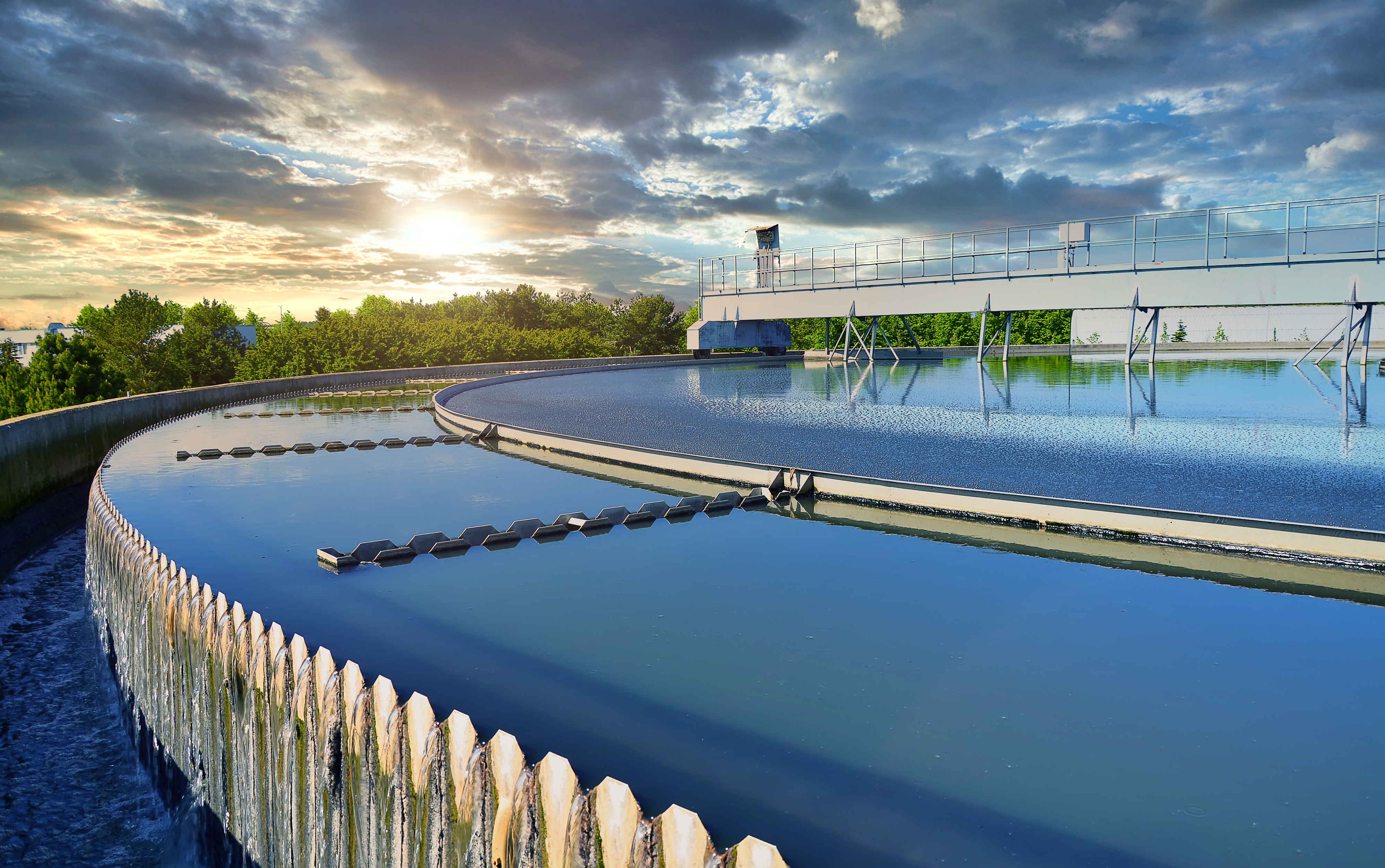
UK-South Africa Water Security and Waste Circularity Global Innovation Network
Fostering collaboration and sustainable innovation within the water sector between South African and UK organisations, with a focus on enhancing water security and waste circularity to generate positive social impact through technology development and its applications.

Global Alliance Africa
This FCDO funded project aims to build stronger equitable UK-African partnerships to maximise the creation of inclusive market access, funding and investment opportunities, and collaborative innovation between the UK, Nigeria, South Africa and Kenya.

Cross-Sector Water Innovation Network
A coordinated, cross-sectoral approach to water innovation – one that recognises both the shared challenges and the diverse levers for change.