

Innovation for a healthier food system
Innovation sits at the heart of building a healthier UK food system. As consumer needs change, businesses need the right technical expertise, partnerships and innovation support to adapt. At our recent innovation for a healthier food system webinar, three experts shared practical insights on how companies can navigate this shifting landscape, scale healthier products, and meet growing nutritional demand.
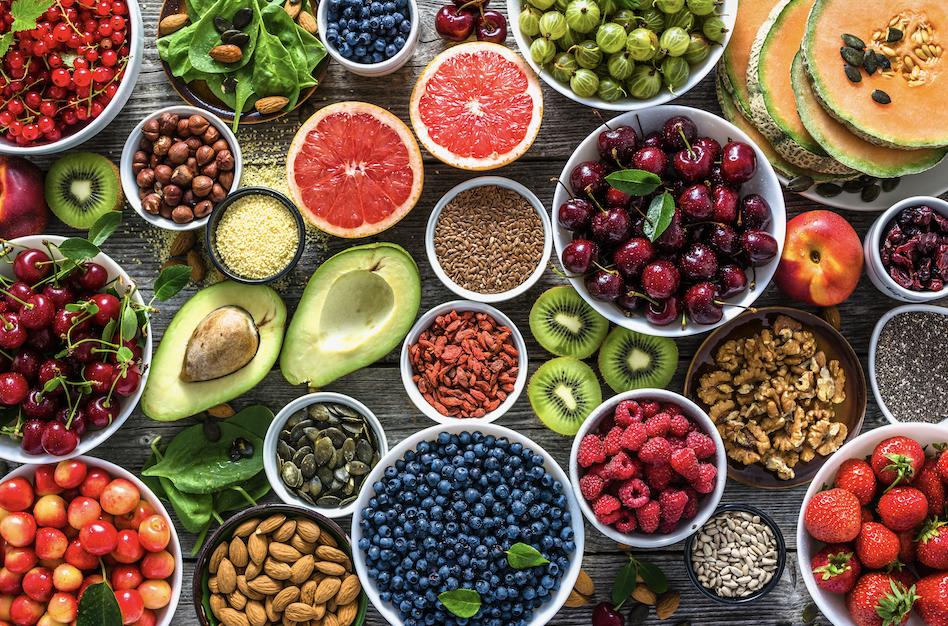
Innovation is required in both the product development stage and to enable the shift to larger-scale commercial food production. As new health innovations, such as weight loss medications, come onto the market innovation and research is needed to ensure that consumers are supported to incorporate these into a healthy diet.
Here are our key takeaways from the three expert-led sessions:
Reformulating foods can have significant health impacts
Reformulation (reducing salt, fat and sugar whilst increasing fibre) is a challenge the sector has grappled with for many years, exploring ways to make these changes whilst maintaining a product that the consumers find desirable. When the right balance is found, highlighted by Joanne Burns (Reformulation for Health Manager at the Food and Drink Federation (FDF) Scotland), the impact can be massive. The FDF Scotland reformulation programme officially began in 2019 and for only a few hundred thousand pounds has helped to remove billions of calories and tonnes of salt each year from Scotland’s everyday foods including:
- 880 million calorie reduction from pie brand
- 35% fat reduction in food service cheesecake
- 25% reduction in empire biscuit portion size
- 40% reduced sodium salt product developed
- 77 million calorie reduction in. Lorne sausage range
- 100% fibre increase in white bread rolls
- 30% fat reduction in black pudding
- 121% higher fibre, 73% lower fat, 91% lower salt butteries
- HFSS (High Fat, Sugar, or Salt) compliant caramel sauce
- 9 tonne salt removal from pie shells (equivalent to 9 family cars)
Partnering with technical experts can accelerate the development and scaling of novel healthy foods
Lucinda Bruce-Gardyne the founder of gluten-free brand Genius Foods shared her story of creating a desirable gluten-free bread inspired by the needs of her family to consume everyday foods.
Lucinda’s mission did not happen overnight; through trial and error she eventually came up with 16 ingredients to make a comparable and desirable bread in her kitchen. The scaling process proved just as hard with the variability and availability of natural raw ingredients causing additional challenges. Reflecting, she regrets not using the power of networks and collaboration to support this scale up earlier. Lucinda collaborated with Dr Daniel Hodgson, Executive Director Edinburgh Complex Fluids Partnership. The Edinburgh Complex Fluids Partnership works with industry to improve formulation design, including for the food and drinks sector. Going forward in partnership, the duo are collaborating via the Edinburgh New Town Cookery School to support understanding of food structure and scale up via the “Lab in a Van” in the community. This a revolutionary approach to take soft matter physics to the food and drink sector, initially throughout Scotland. Providing easy access to technical expertise will accelerate the creation and reformulation of healthier foods.
New weight loss medications are causing nutritional challenges and shifts in consumer purchasing and trends
New weight loss medications are causing nutritional challenges and shifts in consumer purchasing and trends.
The arrival of GLP-1 medications in the UK, with an estimated 1.5 million people taking the medication (either via NHS or privately) is changing the nutritional landscape.
Ayela Spiro, Nutrition Science Manager Nutrition Intelligence Team at British Nutrition Foundation shared details of the issues patients can face when taking this medication. These included gastrointestinal side effects, reduced food quantity and nutritional intake. Reports that two out of three people regain the weight they lost within one year of stopping taking the medication are of concern.
Reformulation of common foodstuff will play a key role in addressing the needs of consumers of GLP-1 medications. This includes a requirement for high protein, nutrient dense foods in smaller serving sizes.
Consumer behaviour is changing and there is a need to understand the drivers of food choices. Innovation to support product development with improved nutrition, accelerated scaling for growth, and collaboration between academia, industry and wider stakeholders will be key to address an ever-evolving food systems landscape.
Funding opportunities
Innovate UK Business Connect would like to highlight the Diet and Health: collaborative research and development grants, where applicants can apply for up to £800,000 of funding from BBSRC and Defra to strengthen the UK’s position as a global leader in food innovation. If interested please note you must submit a notification of intent by 4:00pm, 3 March.
Further discussion
To talk about healthy food system innovations or request advice for an application into the Diet and Health grant, please contact Debbie Tully and Simon Baty, Food Knowledge Transfer Managers at Innovate UK Business Connect.
Related Events and Recordings
Thu
26
Mar
2026
AgriFood Innovation Showcase 2026: Regenerative agriculture and agri-tech for a sustainable food system
09.00 - 16.00 | Birmingham