

Accelerating innovation in the agrifood robotics and automation sector
Discover key insights for innovators developing robotics and automation technologies for the agrifood sector.
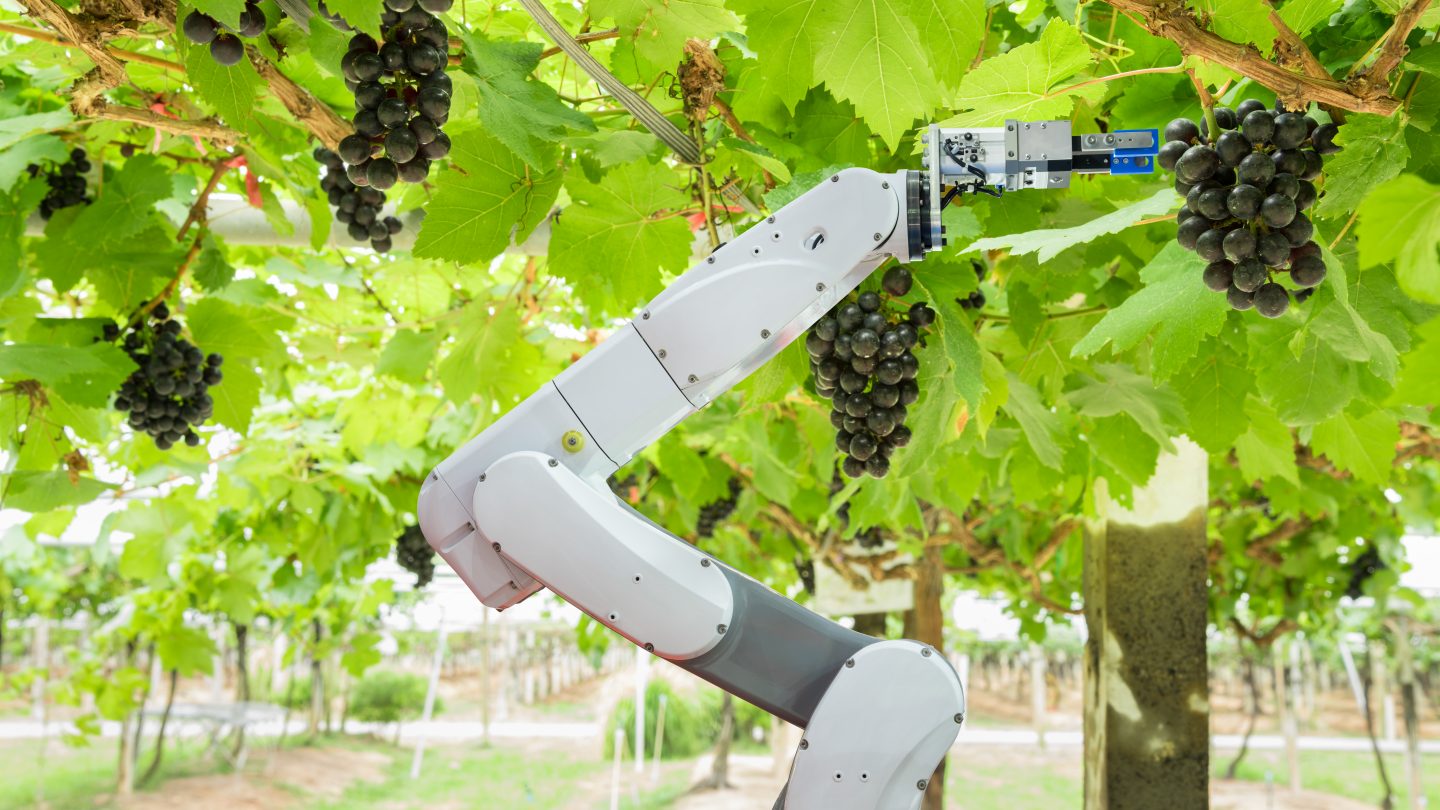
In October 2025, we held a collaboration event at the University of Lincoln Institute for Agri-Food Technology bringing together partners of funded projects from the Defra Farming Innovation Programme delivered in partnership with Innovate UK.
We heard from many different innovators, including businesses and academics, working on robotics and automation for agriculture. Those attending, from across the crop and livestock sectors, shared their technologies and projects and discussed the challenges and opportunities for future collaboration.
From the discussions, we wanted to share four investment and growth-related learnings to help those developing innovations within the agrifood robotics and automation sector.
- Consider how you will scale up and manufacture your technology during development.
A key challenge for innovators working in this space is the price sensitivity and small margins for potential customers of technologies. Working out how you will scale up and manufacture your robots, and the potential cost of producing them, early in your development process will help ensure you are able to commercialise and meet the price point your customer will want. - Prove early on that end users will want to buy your product.
Getting early testers of your technology to pay a nominal amount to try out your product will ensure they are invested in your technology and begins to demonstrate that in the future they will be willing to buy it. Future investors will want to see that there is a market for your innovation. - Define milestones for commercialisation and avoid distractions.
As an innovator there will always be a new question or exciting application to explore. Ensuring you are strategic with when and what you diversify into, or spend your time on, will ensure you remain on track to develop your innovation and bring it to market. - Collaborate with other innovators in the sector to accelerate development.
It isn’t necessary for every company to develop all the tools, devices or platforms they need for their final product. Identifying where existing components can be used in new innovations will allow technologies to be built more rapidly and will lower risk and cost. As a new and growing sector, companies understanding what their core Intellectual Property (IP) is and being willing to share ideas or components with others in the sector will allow technologies to get to market and in fields sooner.
A lot of the pressure that causes startups to lose focus actually comes from a good place. Investors want to see a bigger story: more crops, more features, a larger potential market – and as innovators, startups want this too. But every extra thing you take on before the first product is genuinely commercialised just adds overhead, complexity and burn (financially and mentally) without improving your odds. The hard thing is having the discipline to say no, and to prove a singular product early. Pick one product, one customer type and one clear commercial milestone. Deliver that end to end, backed by paying customers, and only then widen the scope. The companies that succeed are the ones staying laser focused and waiting to build upon that success.
– Chris Chavasse, Robotics innovator (previously founder and CEO of Muddy Machines)
Read how the new AgriScale pilot from Innovate UK is helping companies to accelerate agri-tech product manufacturing and filling a critical gap in the innovation pipeline.