

Building the business case for retrofit programmes
The insight, developed under Innovate UK’s Net Zero Living Programme in partnership with City Science, supports local authorities and climate officers in enabling retrofit uptake by identifying target markets and appropriate finance options.
Guidance for local authority officers on how to finance retrofit
Across the Net Zero Living Programme, places have shown that retrofit works best when it is planned around real people and real homes. This report sets out why retrofit matters, and offers advice to other local authorities on how they can action and finance their retrofit plans.
It starts by making the case for change. By reducing carbon emissions from homes, retrofit can lower energy bills and lift people out of fuel poverty. It can improve health by tackling cold, damp, and mould. And it can drive economic growth by creating local jobs and growing local supply chains.
But local investment in retrofit is not flowing fast enough. Some barriers are financial, like high interest rates, long payback times, and the gap between electricity and gas prices. This makes low-carbon heating harder to stack up on cost. Other barriers are practical, like the potential disruption during works, complex ownership status, and low trust in advice and installers.
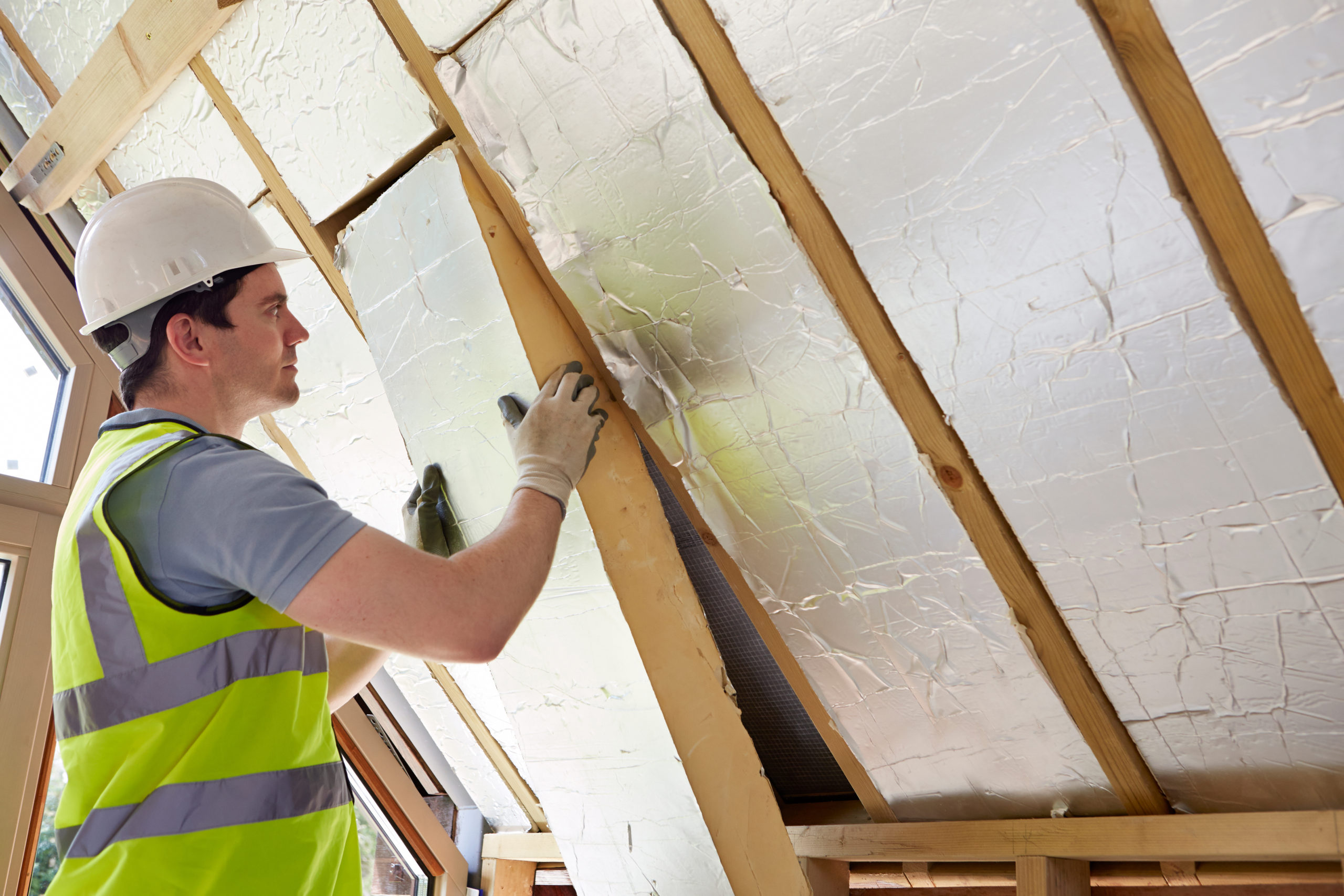
A key outtake is that the retrofit market is not one market. To help local authority officers navigate it better, the report breaks the market into different groups, such as homeowners who can pay, low-income households, and social housing. Each group needs different support, funding, and routes to action.
The report offers guidance on how to make retrofit easier. It proposes different commercial delivery models including in-house delivery, joint ventures, or outsourced consortia. Using case studies from the Net Zero Living Programme, it shows the benefits of mechanisms such as one stop shops and “heat as a service”. Importantly, the report connects all these considerations with the Warm Homes Plan released in January 2026, and stresses how important it is to connect local programmes to this new national strategy.
The core takeaway for local authorities is that by improving their understanding of the retrofit market, they will be better equipped to learn what finance is available, identify drivers of demand, and know what support they can access to improve the performance homes in their local communities.
Key findings
- The Warm Homes Plan presents local councils with an important opportunity to focus retrofit plans on those with the greatest need, including households living in fuel poverty or those homes with an energy performance certificate (EPC) below band C.
- To be done well, retrofit should be treated as several local markets, not one. Local authorities need to segment households by type of tenure and then tailor offers, incentives and delivery routes to each group.
- One stop shop solutions can be an effective way to make retrofit feel safe, simple and frictionless. These models combine advice, checks and trusted suppliers into one local offer.
Related programme

Net Zero Living
A new wave of place-based innovation is transforming UK towns, cities and communities, today. Innovate UK’s £60 million programme is helping local authorities and businesses work together to deliver new solutions that improve local services and open markets for economic growth.