
Retrofit in Rural Environments: Insights for UK local authorities
The Retrofit in Rural Environments insight report, developed under Innovate UK’s Net Zero Living Programme, examines the role local authorities play in rural retrofit, and how can they address and enable innovation in this context.
Exploring the realities of rural retrofit
Retrofit in rural areas offers many benefits – to residents, to communities, and to local prosperity, through innovation and employment. The challenge to rural retrofit is not simply one of geography though. This report examines some of the barriers surfaced through the Net Zero Living Programme, and puts forward solutions that can help local authorities take a leadership role to support the delivery of more rural retrofit plans.
The report examines why local authorities are right to feel that many national net zero policies and programmes don’t fully reflect rural realities. It reveals that rural means different things across the four UK nations, which makes comparisons and “one-size-fits-all” approaches difficult from the outset.
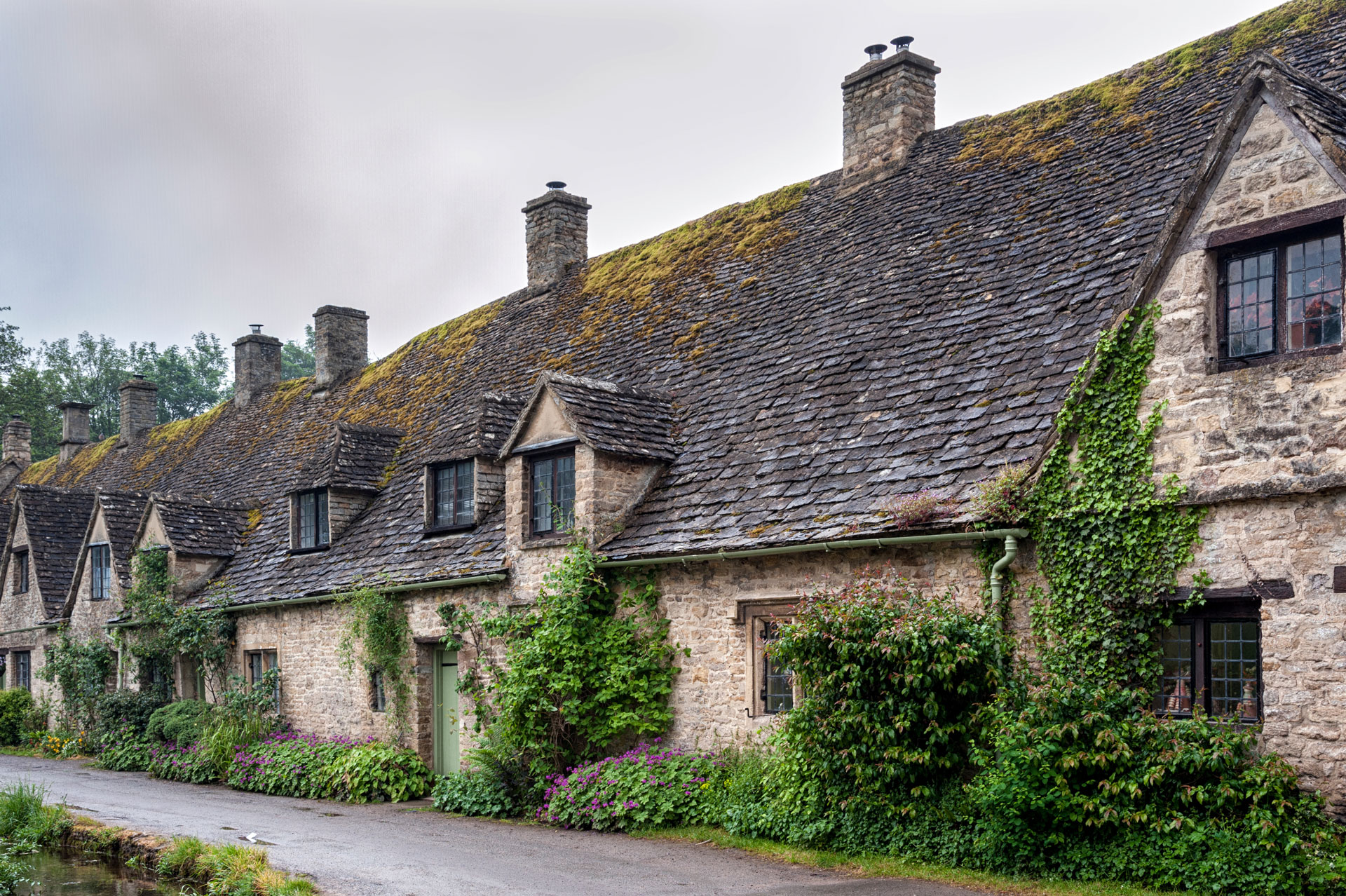
The core challenge, it finds, is that rural housing looks and behaves differently. They often are made from older building fabric, represent higher proportions of heritage and traditionally constructed homes, are likely to be off-gas properties, and will almost certainly be a greater distance from dense infrastructure. These characteristics create a specific blend of technological and non-technological barriers that local authorities must consider and overcome. Grid capacity constraints can limit the rollout of electric heating solutions; renewable integration can be harder where generation is intermittent; and measures that work well in modern urban stock may be unsuitable for solid-wall or listed buildings.
But the report goes on to show that rural retrofit becomes more achievable when councils treat net zero as a route to outcomes that people recognise, such as warmer homes, reduced fuel poverty pressures, healthier buildings, and stronger local economies. Done well, rural retrofit can protect the character of traditional housing, stimulate local jobs and supply chains, and create “beacon” projects that attract innovation and stimulate economic growth.
The report puts forward a “circles of control and influence” framework which helps local councils map where they can act directly and where they can accelerate progress through procurement, partnerships, and public engagement. The report includes cases tories to bring this framework to life. One example is North East Derbyshire District Council which has invested in local skills and partnerships to upgrade the council-owned homes of its ex-mining communities.
The report concludes that rural retrofit presents a complex but critical opportunity. Local authorities must recognise the diverse nature of rural areas, and be ready to examine their own role and capacity to drive retrofit programmes in these harder to reach places. Where they have direct control, they need to be ready to respond to their unique local needs and circumstances. Where it might be outside of their direct control, they need to be willing to leverage local influence and convene the right partners together. If they do, then they can help their residents enjoy healthier, more affordable lives while stimulating growth for local businesses.
Key findings
- Definitions of rural vary across the four nations, so local authorities need to be ready to examine the what is unique to their rural places and infrastructure.
- Local authorities can support rural retrofit by examining their circles of control and influences to identify where they can act directly or where they need to influence other partners or actors.
- Councils have an opportunity to learn from others who are trialing rural retrofit. And by investing in their own test projects, they can reduce risk and strengthen local supply chains.
Related programme

Net Zero Living
A new wave of place-based innovation is transforming UK towns, cities and communities, today. Innovate UK’s £60 million programme is helping local authorities and businesses work together to deliver new solutions that improve local services and open markets for economic growth.